




Modern dentistry has long since evolved beyond a simple set of procedures. Today, doctors have access to advanced technologies, precise diagnostics, digital treatment planning and capabilities that would have seemed unimaginable just a few decades ago. Yet there is one thing no technology can replace: the trust of the person sitting in the dental chair.
Behind every diagnosis and every medical image is a person — with their fears, doubts, previous experiences and hope of finally finding a solution to their problem.
This is why at Elite Dental Solutions, the philosophy is clear: dentistry should begin not with a procedure, but with the person.
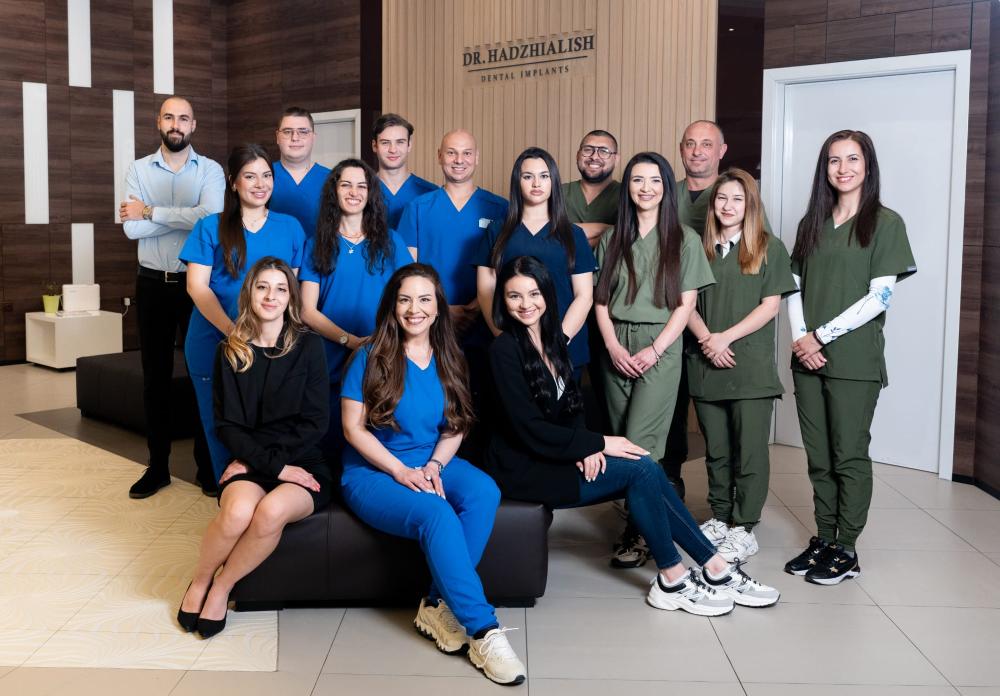
Based in Sofia, the clinic works with patients from Bulgaria as well as international patients who travel for treatment. Its team brings together more than a decade of professional experience across implantology, oral surgery, prosthodontics, endodontics, periodontology and orthodontics, combining modern technology with individually tailored treatment planning.
But behind all these areas of expertise lies one common principle: patients should understand who they are entrusting with their health — and why.
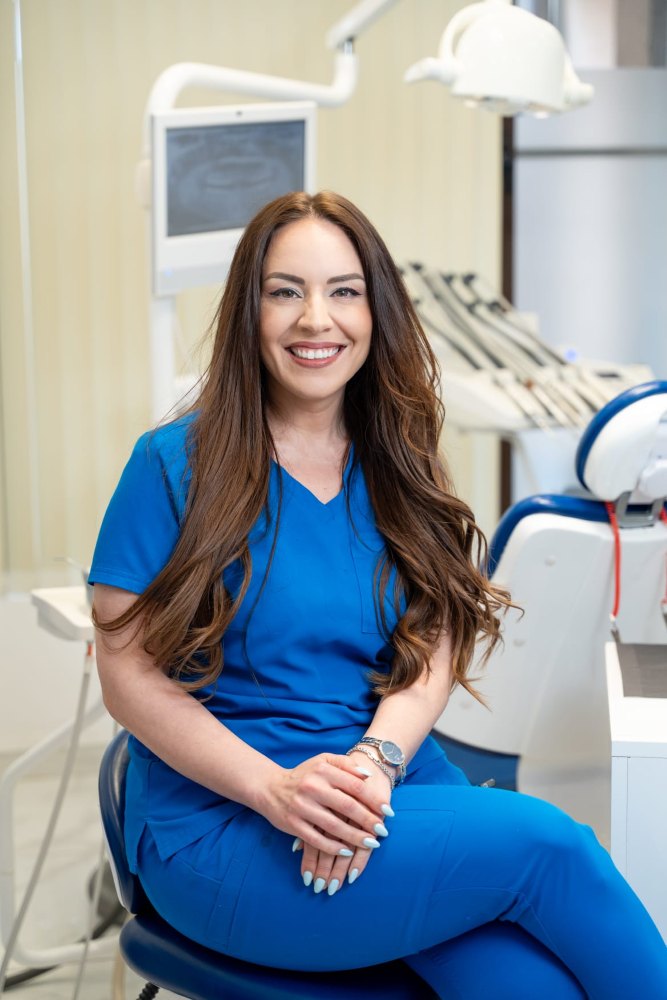
“For us, it is not enough for treatment to be technically correct. It is important that people understand what is happening, why we are making certain decisions, what options are available to them, and feel that they can place their trust in our team,” says Dr Adile Hadzialish.
First the Person, Then the Patient
In medical practice, it can be easy to start seeing a person through the lens of a diagnosis, a scan or a treatment plan. Yet behind all of these is always an individual.
Some people come in for a routine consultation. Others have postponed treatment for years because of fear. Some have already had negative experiences and now find it difficult to trust doctors.
In such situations, simply offering a technically correct solution is not enough. The first step is to restore a sense of safety.
“We cannot expect someone to immediately trust us simply because we are doctors. Trust has to be earned.”
That is why the first step is conversation. What is troubling the patient? What are they afraid of? What result are they hoping for? What has happened in the past? Sometimes, that conversation becomes the true beginning of treatment.
Trust cannot be demanded or created with a single reassuring phrase. It develops gradually — when a doctor listens, explains, is honest about potential difficulties and does not try to make decisions on the patient’s behalf.
When Previous Experiences Shape the Present
Dental anxiety rarely appears without a reason. For some people, the procedure itself is the source of fear; for others, it may be concern about pain or uncertainty about the outcome. Sometimes, it simply comes from having been in a situation where they were not listened to, nothing was explained and decisions were made for them.
At Elite Dental Solutions, the belief is that such patients should never be pressured.
“We listen, we explain and we do not put pressure on people. We show them the real possibilities and give them time to make an informed decision.”
Instead of making impossible promises, the approach is based on an honest assessment. Instead of trying to persuade someone at any cost, patients are given the opportunity to ask questions.
“Sometimes the most important part of treatment begins not with the tooth, but with the person’s fear.”
That can be the first meaningful outcome of a consultation: a person stops being afraid, begins asking questions and understands that their opinion matters.
A Patient Is Not a One-Time Transaction
This idea is one of the key principles at Elite Dental Solutions.
“In medicine, you cannot treat a person as a one-time transaction. You cannot finish the treatment, receive the payment and then stop caring about the patient.”
Treatment does not end the moment a person leaves the dental chair. It is important to monitor the outcome, conduct follow-up examinations and remain available if questions or concerns arise.
But long-term responsibility begins even earlier — with the choice of treatment method itself.
The clinic does not aim for the fastest or most visually impressive solution, but for one that is medically justified and designed to remain effective for years to come.
“We are not looking for a solution that only looks good today. We are looking for a medically sound solution that we would choose for ourselves or for members of our own family.”
It is a simple principle: treat patients in the way you would want your own loved ones to be treated.
Beauty That Has to Work
Today, a smile is widely perceived as an important part of a person’s image. It can influence appearance, self-perception and confidence. But aesthetics cannot exist separately from health.
“Truly high-quality treatment should be beautiful, functional and long-lasting at the same time. We would never sacrifice health or the long-term prognosis for a quick visual result.”
There can therefore be no one-size-fits-all solution. Even when the visible problem appears similar, a patient’s health, anatomy and individual needs can be very different.
This is where personalised treatment planning becomes not a formality, but a necessity.
The goal is not simply to change a smile for a photograph. It is to create a result that looks good, functions properly and remains reliable in the years ahead.
Technology Is a Tool, Not a Substitute for the Doctor
Modern equipment allows doctors to diagnose more accurately, plan treatment in greater detail and better predict outcomes. Yet even the most advanced technology remains a tool.
“Technology supports the doctor, but it cannot replace experience, accurate diagnosis, professional judgement and a human approach.”
Data must be interpreted correctly. It has to be considered in the context of the individual patient, with risks assessed and the most appropriate treatment strategy selected.
At Elite Dental Solutions, modern dentistry is therefore viewed as a combination of three elements: medicine, technology and human connection.
Technology helps doctors see more. Professional expertise helps them make the right decision. And trust allows patients to go through the process with confidence and peace of mind.
When Treatment Means Travelling to Another Country
For international patients, the question of trust becomes even more important.
A person may travel to another country, sometimes meeting their doctor in person for the first time only after arriving at the clinic, and must entrust their health to a team they have never met before. This is why the relationship begins long before they sit in the dental chair.
Initial communication, discussing the patient’s situation, treatment planning, organising their stay and providing follow-up care all become part of the overall medical experience.
Patients need to understand not only what will be done, but what the entire journey will look like.
And at this point, one thing becomes particularly clear: a patient is choosing more than a clinic, equipment or medical technology. They are choosing people.
What Patients Should Take Away
Of course, patients want results. A beautiful smile. Healthy teeth. Comfort. The confidence that their problem has been properly addressed.
But there is something else that cannot be captured in a photograph.
“Not only a place where they received high-quality dental treatment, but a place where they were understood, respected and felt safe.”
That sense of safety is built from simple things: being listened to, having questions answered, understanding what is happening and never being pressured into making a decision.
“Of course, we want patients to be happy with their new smile. But even more, we want them to leave with the feeling: ‘These people genuinely cared about me.’”
This is the difference between a procedure being completed and genuine medical care being provided.
A Good Doctor Sees More Than the Problem
Professional knowledge is the foundation of medical practice. But in dentistry, it is particularly important to remember that the person sitting opposite the specialist may be frightened, embarrassed by the condition of their teeth or lacking confidence.
“A good doctor should never forget that the person in front of them may be frightened, vulnerable or uncertain.”
Humanity is therefore not an addition to professionalism. It is part of it.
“Professionalism is essential, but real medicine begins when we add humanity to knowledge.”
Sometimes this means giving one additional explanation. Sometimes it means patience. Sometimes it means being willing to answer the same question once again. But it is precisely through these details that patients develop the feeling that they are genuinely being seen.
“Duet with a Star”: Recognising Those Who Need Support
This philosophy extends beyond the direct relationship between doctor and patient. If a medical approach is built on the ability to see the person behind a diagnosis or a problem, the next step is learning to recognise those who may need particular attention, support and the opportunity to be heard.
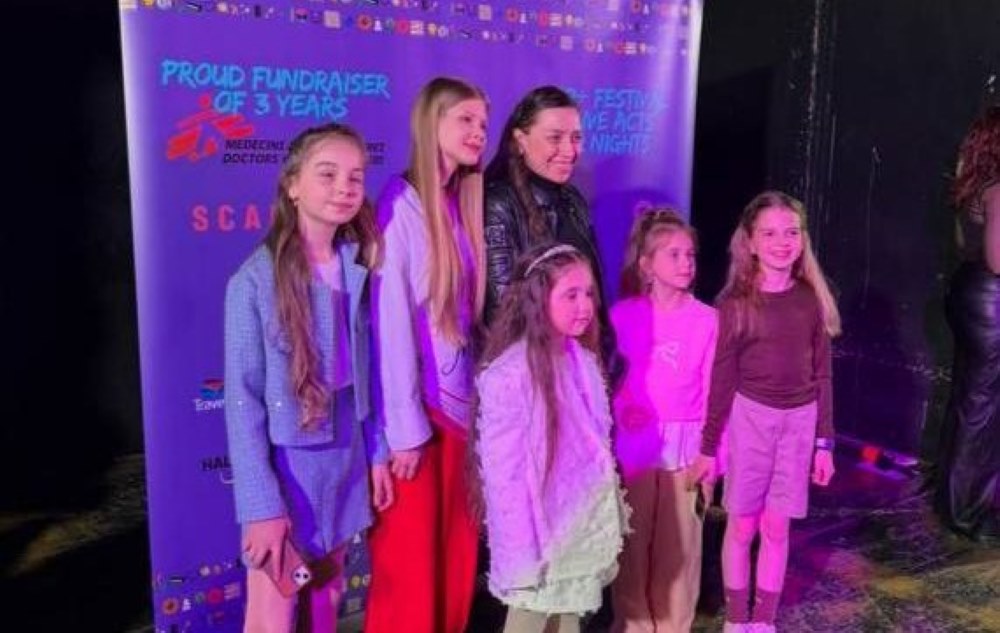
This is why Elite Dental Solutions supported the social project “Duet with a Star”, which gives children, including children with special needs, the opportunity to take the stage, express their talents and feel that they are being heard.
For the clinic’s team, supporting the project was a natural extension of its own philosophy. In medicine, too, it is important to see not a diagnosis, a problem or a set of medical indicators, but a person — with their fears, personality, dreams and hopes.
Social responsibility begins with precisely this ability: noticing who around us may need help.
This is particularly important when it comes to children. Sometimes very little is needed for a child to believe in their own abilities: attention, encouragement and someone nearby who says, “I believe in you.” Confidence often begins with words as simple as these.
“Duet with a Star” is not only about a stage and music. It is an opportunity to show a child that their potential extends far beyond the limitations others may see.
And if the clinic’s philosophy teaches us to see the person first, social responsibility takes the next step: not simply noticing someone, but refusing to walk past when they need support.
Social Responsibility Is Not a Logo
For Elite Dental Solutions, supporting social initiatives should not become another marketing exercise.
“Business does not exist separately from society. It develops because of people — patients, clients, employees, partners and the environment in which it operates.”
That is why what matters is not simply formal sponsorship, but genuine involvement.
“We want to be part of projects that truly have meaning and can change someone’s life, even if it is only one person.”
Sometimes it may be a large-scale programme. Sometimes it may be support for a single child. Sometimes it may simply be the opportunity to step onto a stage.
But the value of that support is not determined by its scale. It is determined by whether it genuinely makes a difference to someone.
In this sense, social responsibility becomes a continuation of the same philosophy with which medical care begins: see the person, understand their needs and do what can genuinely help them.
A Philosophy That Remains
People may forget the name of a procedure. They may not remember what equipment was used. But they remember how they felt.
Did they feel calm? Were they listened to? Were things explained clearly? Did they feel that their doctor was genuinely thinking about their future?
That is why, when speaking about the most important result of her work, Dr Adile Hadzialish emphasises:
“If I had to choose just one thing that I would like to leave behind, it would be trust.”
For the clinic, trust is neither an abstract value nor simply a reassuring word. It is the foundation of the medical relationship, built through every conversation, every explanation and every decision made together with the patient.
“I want that years from now, when someone hears the name Elite Dental Solutions, they remember not only the treatment itself. I want them to remember the people.”
This is where the philosophy of medicine extends beyond the dental chair. To see a person means not reducing them to a diagnosis. To notice who needs help means turning that attention into action.
Ultimately, it is people who become the strongest part of the memory: the doctor who calmly explained everything; the team that offered support; the attitude that helped overcome fear; the confidence that the right decision had been made.
For Dr Adile Hadzialish, genuine success in medicine is measured by more than the outcome of a procedure:
“For me, that is what true success in medicine means — not simply doing a good job, but making a person’s life better because of what you have done.”
And perhaps this is the fundamental philosophy of Elite Dental Solutions: to see the person, recognise their needs and take responsibility for what can genuinely make their life better.
Because a beautiful smile is what a patient sees in the mirror.
But trust, care and the feeling of truly being seen and heard are what remain with them for much longer.